
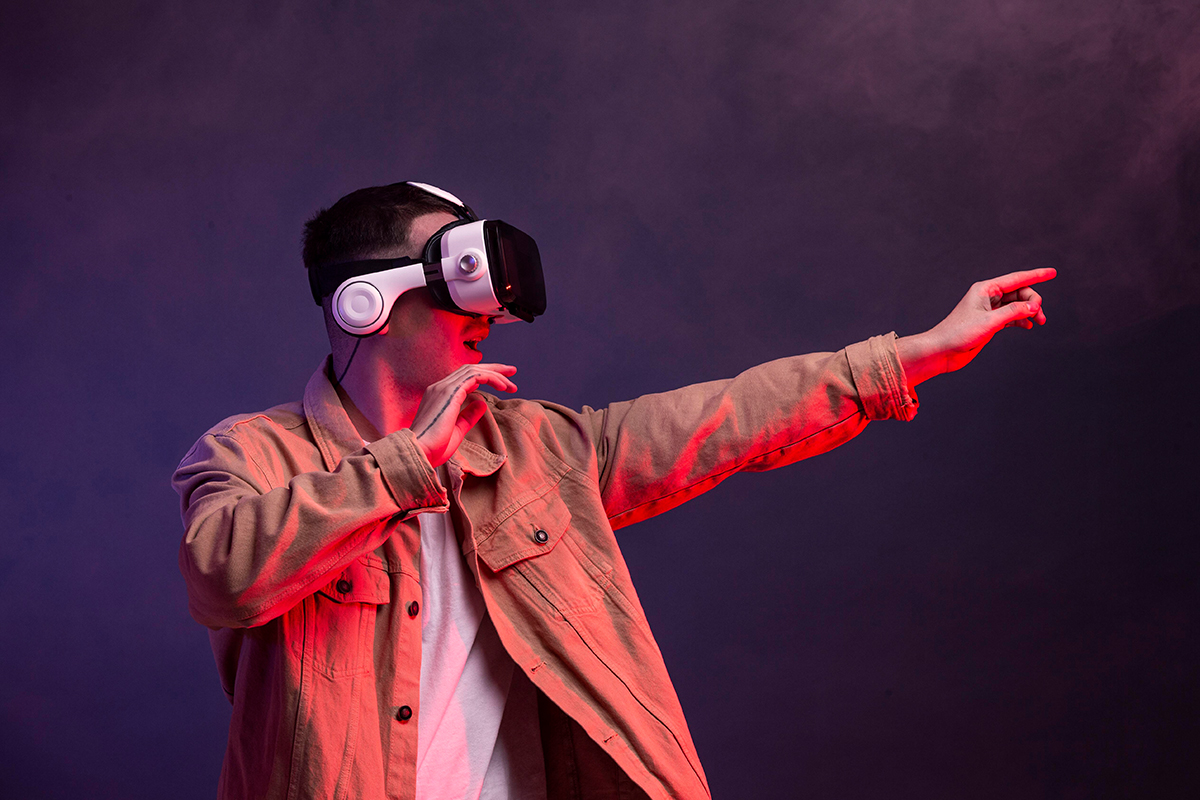

Modern virtual reality (VR) technology offers exciting opportunities for gaming, movies, and interactive applications. However, choosing the right VR headset can be challenging, given the wide variety of models, features, and price ranges. Let’s break down the key aspects to help you make the right choice.
Types of VR Headsets: Tethered, Standalone, and Mobile
The first consideration when choosing a VR headset is its type. There are three main categories:
Tethered Headsets
These devices connect to a PC or gaming console, delivering powerful graphics and high levels of detail. Examples include Meta Quest Pro (in tethered mode), HTC Vive, and PlayStation VR. They are ideal for gamers and professionals but require high-performance hardware and may limit mobility due to cables.
Standalone Headsets
Devices like the Meta Quest 2 operate without external hardware, featuring built-in processors, graphics, and batteries. They are perfect for beginners, offering ease of use and freedom of movement. However, standalone headsets are less powerful compared to tethered models.
Mobile Headsets
These rely on a smartphone to create a VR experience. Examples include Samsung Gear VR and Google Cardboard. While budget-friendly, the image quality and functionality are limited by the smartphone’s capabilities.
Technical Specifications: What to Look For
For maximum immersion in virtual reality, consider the following key specifications:
Display Resolution
Higher resolution results in sharper and more realistic visuals. For comfortable use, a minimum resolution of 1920×1080 (Full HD) is recommended. Modern models like the HP Reverb G2 offer resolutions of 2160×2160 per eye.
Refresh Rate
This determines the smoothness of the image. A refresh rate of 90 Hz or higher (e.g., 120 Hz on the Valve Index) provides a more comfortable experience and reduces motion sickness.
Field of View (FOV)
Most VR headsets offer a standard FOV of around 100–110 degrees. A wider FOV, such as 120 degrees on the Pimax 5K, enhances immersion.
Motion Tracking
Modern headsets include external or built-in cameras to track head and hand movements. Built-in tracking simplifies setup by eliminating the need for additional sensors.
Comfort and Weight
The headset should be comfortable for extended use. Lightweight models (300–500 grams) with high-quality adjustable straps are better suited for prolonged VR sessions.
Compatibility and Ecosystem
When choosing a VR headset, ensure it is compatible with your devices and supports the content you want.
PC and Console Compatibility
If you plan to use a VR headset with a gaming PC, check that your system meets the minimum requirements. For instance, the Valve Index requires a powerful GPU (e.g., NVIDIA GTX 1070 or higher).
Content Availability
Different platforms offer varied content. For example, SteamVR and the Oculus Store host thousands of games and apps. Ensure the headset supports your favorite games.
Connectivity and Interfaces
Some models require wired connections, while others operate via Wi-Fi or Bluetooth. Check whether the headset’s connectivity method suits your equipment.
Budget: What Can You Afford?
VR headsets range from budget-friendly options to premium models:
- Budget Options (up to $200): Ideal for beginners or those curious about VR without significant investment. Example: Google Cardboard.
- Mid-Range ($300–$500): Includes standalone models like the Meta Quest 2, offering good quality at a reasonable price.
- Premium ($700 and above): Tethered headsets like the Valve Index and HTC Vive Pro 2 deliver cutting-edge technology and maximum immersion.
The choice of a VR headset depends on your goals, budget, and technical preferences. If you’re looking for a simple and accessible solution, go for standalone models. For gamers and enthusiasts, tethered devices with high-end graphics are the way to go. Pay attention to specifications, compatibility, and the ecosystem to find the perfect headset for your needs.