
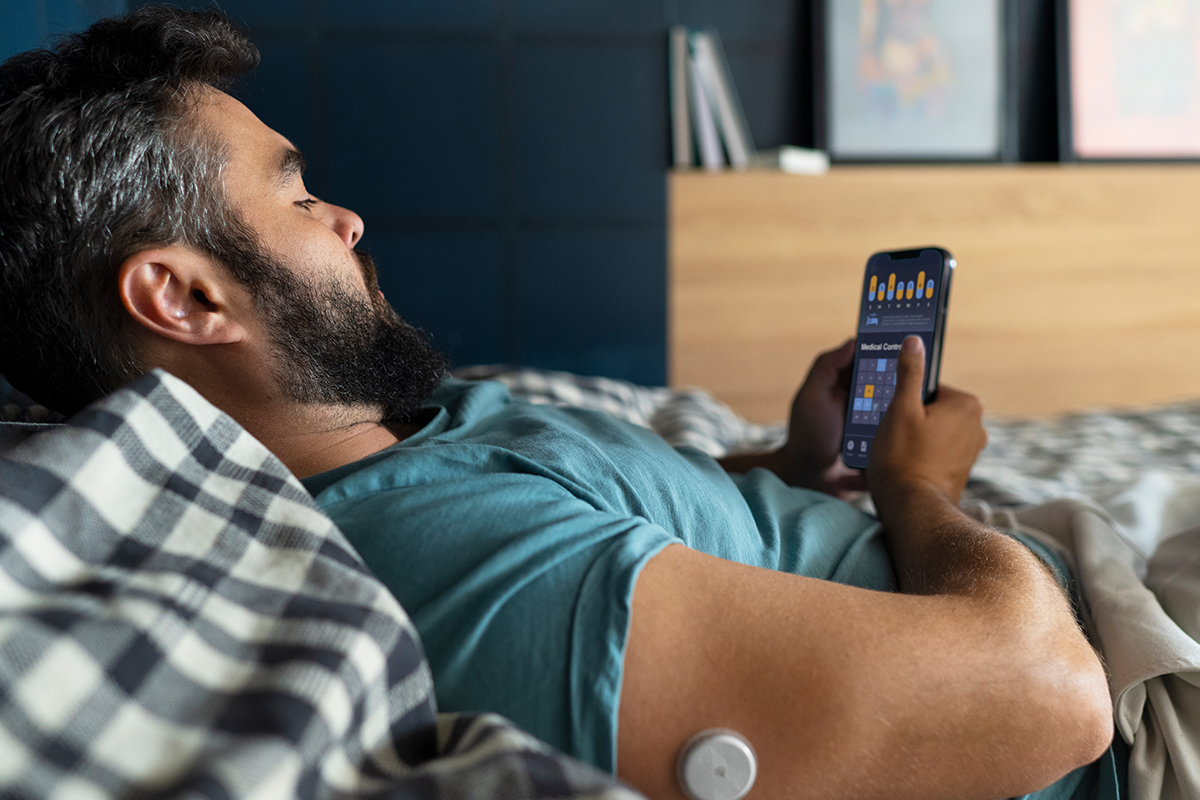

Sleep plays a vital role in our health and well-being. It affects physical activity, cognitive abilities, and emotional state. However, the fast-paced modern lifestyle, stress, and poor habits often disrupt natural sleep cycles. This is why sleep monitoring has become an essential part of health management.
Modern devices, from smartwatches to specialized trackers, help monitor the quantity and assess the quality of sleep. They provide insights into how our habits influence rest and offer ways to improve it.
How Do Sleep Trackers Work?
Most sleep monitoring devices use a combination of sensors and algorithms to collect data on movement, heart rate, breathing, and blood oxygen levels. Depending on the model and brand, devices can gather the following information:
- Sleep duration: How much time you actually spend resting.
- Sleep phases: Division of sleep into light, deep, and REM (Rapid Eye Movement) phases.
- Awakenings: Instances when you wake up, even if you don’t remember them.
- Breathing quality: Data on interruptions (apnea) or irregular breathing patterns.
- Heart rate: Variations that may indicate stress or physical strain.
Algorithms process this data and provide users with reports and recommendations. For example, an app may suggest an optimal bedtime to maximize deep sleep.
Which Devices Should You Choose?
The market offers a wide range of gadgets for sleep monitoring, and the choice depends on your preferences, budget, and goals. Here are some popular categories:
Smartwatches and Fitness Bands
Devices like Apple Watch, Fitbit, and Xiaomi Mi Band combine activity tracking with sleep monitoring. They are convenient but may be less accurate since they rely on movement and heart rate data.
Specialized Sleep Trackers
Gadgets like the Oura Ring or Withings Sleep are designed exclusively for sleep analysis. They often feature more advanced sensors and can track parameters like blood oxygen levels and breathing vibrations.
Contactless Monitors
These devices, such as the Withings Sleep Analyzer or Google Nest Hub 2 with sleep tracking, are placed under the mattress or near the bed. They collect data without requiring the user to wear anything.
Smart Pillows and Mattresses
Some manufacturers, like Eight Sleep or Sleep Number, integrate sensors directly into bedding. This is ideal for those who prefer not to use wearable devices.
Benefits and Limitations
Sleep monitoring can help identify issues such as chronic sleep deprivation, circadian rhythm disturbances, or risks of apnea. This enables timely medical consultation or habit changes to improve quality of life.
However, it’s important to note that these devices cannot replace professional diagnostics. They provide a general overview but may lack the accuracy needed to detect serious sleep disorders.
How to Use Data to Improve Sleep
The data provided by these devices can only be helpful if you use it to adjust your habits. Here are a few tips:
- Stick to a schedule: Go to bed and wake up at the same time daily.
- Create a comfortable environment: Temperature, silence, and darkness in the room are crucial.
- Avoid stimulants: Caffeine and alcohol can negatively affect sleep phases.
- Relax before bed: Avoid screens an hour before sleep and try relaxation techniques.
Modern sleep monitoring devices are excellent tools for achieving a healthier lifestyle. They provide insights into how habits and daily activities impact sleep and motivate users to make positive changes.
However, technology is just a tool. The key to better sleep lies in listening to your body and committing to improving your well-being.